Seasonal Considerations: Do You Need Different Vent Covers for Winter and Summer?
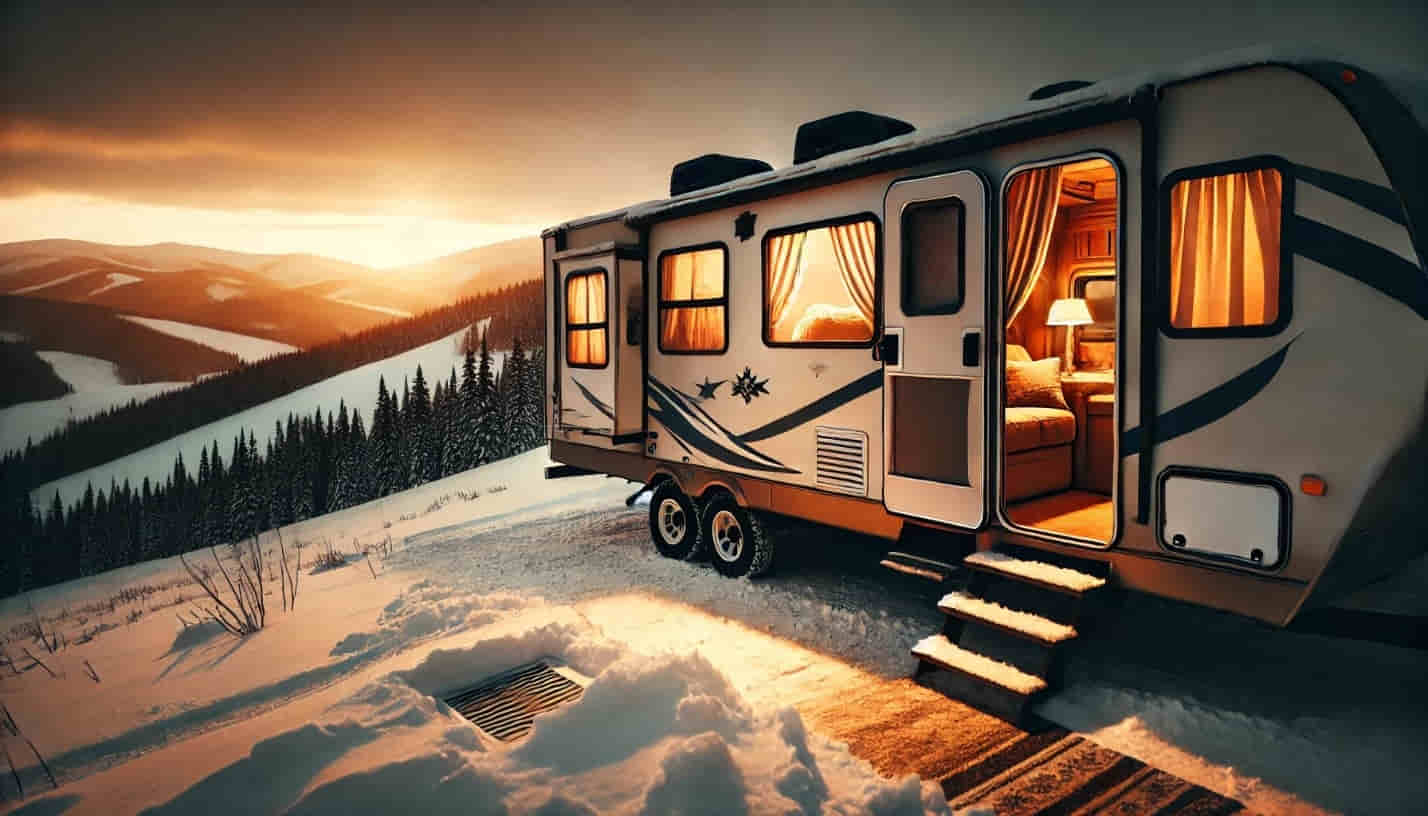
Your RV perched on the edge of a serene mountain vista, frost kissing the windows as you sip your morning coffee. Sounds perfect, right? Except your heater’s working double-time because icy drafts are sneaking in through your vents. Fast forward to summer: that same vent is now a one-way ticket for scorching sunlight, turning your cozy home-on-wheels into a mobile sauna.
If you’ve been wondering whether vent covers for RV use tailored to specific seasons or a high-quality all-season option is the better choice, you’re not alone. Let’s unravel the mystery and get your RV adventure-ready.
The Unsung Heroes of RV Comfort
RV vent covers are like the backstage crew of a well-oiled production: not flashy, but essential. They regulate airflow, protect against the elements, and keep the interior climate just right. However, not all vent covers are created equal. Choosing the right one depends on your travel habits, vent type, and willingness to invest in seasonal solutions—or opt for an all-purpose workhorse.
Types of RV Vents
- Roof Vents: These are the stars of the show. Most measure 14” x 14” and come in various profiles—low for streamlined rigs, tall for added clearance. Some feature rain sensors or automatic openers that need specific covers.
- Side Vents: Often overlooked but vital for appliances or circulation, side vents demand covers that can withstand wind and debris.
- Range Hood Vents: Your culinary accomplices! These vents require grease-resistant covers to avoid buildup from your kitchen escapades.
Seasonal Covers: Specialist Tools for Extreme Weather
When winter’s chill bites or summer’s heat scorches, specialized vent covers for RV use can make a tangible difference in comfort.
Winter Covers
Winter vent covers are built for insulation. Fabric covers lined with foam or reflective material are snug, helping to retain heat while blocking drafts. While they won’t deliver the high R-values of dedicated insulation products, they can make a noticeable impact in moderate climates. Look for:
- Snug Fit: A tight seal is critical to reducing cold air infiltration.
- Reflective Layers: These help retain interior warmth by bouncing heat back into the RV.
- Moisture Control: Covers should prevent condensation but remain breathable to avoid mold buildup.
Summer Covers
Summer vent covers prioritize ventilation and sunlight protection. While most standard vent covers are already UV-resistant (thanks to materials like polycarbonate or polypropylene), summer-specific options often feature:
- Improved Ventilation: Louvered designs or mesh panels encourage airflow while keeping rain out.
- Sunlight Shielding: Solid covers block direct sunlight, reducing interior heat.
- Durable Materials: UV-treated polycarbonate resists sun damage, ensuring longevity.
All-Season Covers: The Jack-of-All-Trades
All-season vent covers aim for balance. They’re designed to provide moderate insulation in winter and ample ventilation in summer, making them ideal for RVers who travel across diverse climates without venturing into extremes. Key features include:
- Adjustable Louvers: Customize airflow based on the season.
- Sturdy Construction: Materials like polycarbonate handle year-round exposure with ease.
- Low Maintenance: Leave them on year-round, and you’re good to go.
But here’s the rub: they can’t match the specialized performance of seasonal vent covers for recreational vehicles in extreme conditions. If you regularly camp in subzero temperatures or desert heat, consider supplementing with seasonal options.
Common Missteps in Choosing Vent Covers (and How to Avoid Them)
Mistake 1: Overlooking Compatibility
The most common RV roof vent size is 14” x 14”, but not all covers fit every vent profile. Double-check whether your vent is low-profile or tall, and ensure that the cover won’t interfere with rain sensors or automatic mechanisms.
Mistake 2: Underestimating Installation Ease
Struggling with poorly designed covers is no way to spend your camping trip. Opt for covers with straightforward installation processes, especially if you plan to switch them seasonally.
Mistake 3: Ignoring Material Quality
Cheaper covers may save you upfront costs, but they’re prone to cracking, warping, or fading over time. Investing in durable materials pays off in both performance and longevity.
The Maintenance Magic: Keep Your Covers Performing
Good vent covers are like trusted travel companions—they last longer with care. Here’s how to keep them in top shape:
- Regular Cleaning: Dust, debris, and grease can clog vents. Clean covers every few months with mild soap and water.
- Seasonal Inspections: Look for cracks, loose fittings, or material degradation before embarking on your next adventure.
- Proper Storage: Fabric winter covers should be stored in a cool, dry place to prevent mildew.
- Skip the Sprays: Most UV-resistant materials don’t need additional treatment. Applying sprays may do more harm than good.
Seasonal or All-Season? A Balanced Perspective
To help you decide, let’s meet two RVers:
Meet Taylor: The Specialist
Taylor uses seasonal covers—a snug fabric one for winter and a ventilated, UV-resistant option for summer. The result? Cozy warmth during ski trips and breezy coolness on desert adventures. However, switching covers takes time, and storage space is a concern.
Meet Jordan: The Generalist
Jordan opts for a high-quality all-season cover with adjustable louvers. It’s a year-round solution that handles moderate climates well, but it struggles to match Taylor’s winter performance during a snowy retreat.
The verdict? Your choice hinges on your lifestyle. If you’re chasing extreme climates, seasonal vent covers for RV use may be worth the effort. For versatility and convenience, an all-season cover could be your best bet.
Conclusion: Elevate Your RV Experience
Vent covers may not steal the spotlight, but they’re indispensable for RV comfort and efficiency. Whether you embrace the tailored approach of seasonal covers or the convenience of all-season solutions, the right vent cover ensures your home-on-wheels is ready for any adventure.
So, next time you’re packing for a trip, give your vents a second glance. Investing in the right vent covers for recreational vehicles isn’t just about comfort—it’s about making every mile on the road feel like home.